What is Kumbhalgarh Fort’s History?

Guide to Visiting Kumbhalgarh Fort: History, Tips & Nearby Stays
July 25, 2025
Where is Fort Kumbhalgarh? What is the Reason for Its Fame?
August 19, 2025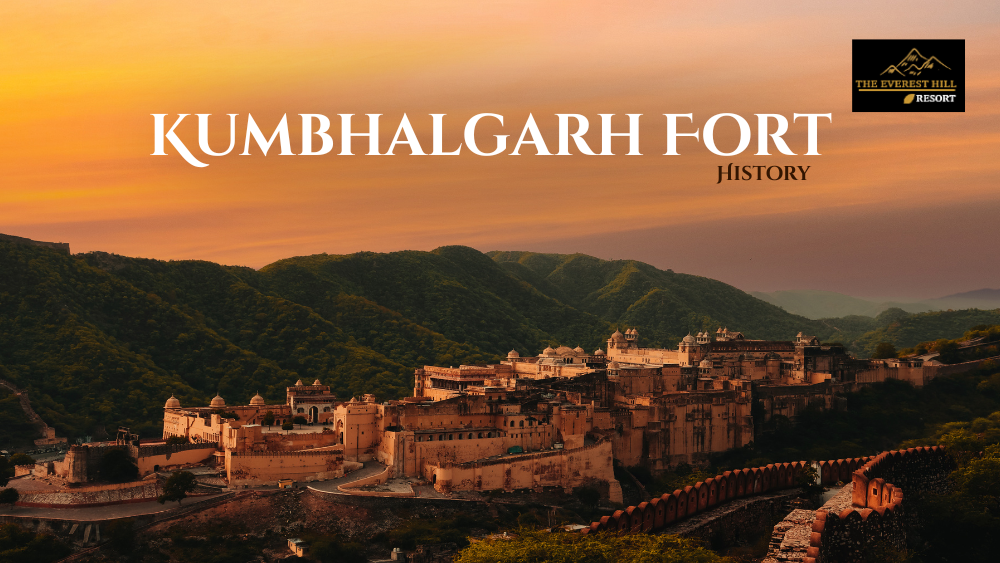
Kumbhalgarh Fort is India’s most iconic hill fort. Located in Rajasthan’s Rajsamand district, it rises from the rugged Aravalli Hills and have great historic value. It was once a key stronghold of the Mewar kingdom. The fort is not only known for its height or strength, but for its size and legacy. It has one of the world’s longest walls and was the birthplace of Maharana Pratap, the legendary Rajput ruler. This fort represents pride, courage, and skillful architecture.
Origins and Construction of Kumbhalgarh Fort
Kumbhalgarh Fort was built in the 15th century by Rana Kumbha. He ruled Mewar and wanted a stronghold that could serve as a safe retreat. He chose this location because of its height and isolation. The Aravalli hills made it difficult for enemies to reach the fort easily.
The fort was designed by the famous architect Mandan. He worked under Rana Kumbha and was known for his deep knowledge of ancient Indian architecture. Legends say that the first few construction attempts failed until a spiritual guide advised a human sacrifice. A volunteer gave his life, and the fort was finally built. A shrine marks the spot where he was said to have died.
The architecture of the fort mixes Rajput military style with local design. Stones and lime mortar were used to build thick walls that could withstand enemy attacks. The structure fit well with the natural terrain. It shows how builders used both engineering and nature to their advantage.
The Role of Kumbhalgarh in Mewar’s Defense Strategy
Kumbhalgarh Fort was not built for luxury. It was made for safety. During wartime, it served as a shelter for Mewar rulers and their families. The thick forest and steep paths provided natural protection. Its elevated position gave soldiers a clear view of enemy movements.
It was critical in defending the kingdom from external threats. The fort withstood many armies. It protected Mewar from the Delhi Sultanate, Mughals, and other invaders. Even when Udaipur was threatened, the royal family would retreat to Kumbhalgarh.
The fort’s smart placement helped the Mewar dynasty last for centuries. It was not just a fort. It was a shield that guarded one of India’s oldest royal families.
Kumbhalgarh Fort and Maharana Pratap
One of the greatest Rajput heroes, Maharana Pratap, was born in this fort in 1540. He later became famous for resisting the Mughal emperor Akbar. Even after losing battles, he never gave up his kingdom or his pride.
The fort is closely tied to his legacy. It represents his strength, values, and loyalty to his land. For Rajputs, Kumbhalgarh is more than a building. It is a memory of honor and self-respect. Statues and signs in the fort today keep his story alive for visitors.
Architectural Grandeur and the Great Wall
Kumbhalgarh is known for its long wall. It stretches over 36 kilometers which makes it one of the longest walls in the world. People also call it as the “Great Wall of India”.
The wall is wide enough to accommodate eight horses side by side. It has towers, watchtowers, and sturdy gates. These features helped the fort remain alert and secure. The builders used stone and lime plaster, which made the wall strong enough to last for centuries.
The size of this wall is difficult to imagine until you see it. It wraps around the hills like a giant snake, blending into the rocky terrain. It served as a barrier and allowed soldiers to move around the fort quickly.
Key Structures Within the Fort
Within the fort, there are many structures worth seeing:
- Badal Mahal (Palace of Clouds): This is the fort’s highest point. From here, one can see the hills in the distance. It once served as the royal residence.
- Temples: There are over 300 temples within the fortress. These include both Hindu and Jain temples. This demonstrates that the fort was more than just a battleground but also a place of peace and worship.
- Stepwells, granaries, and tanks were designed to hold water and food. This made the fort self-sufficient during prolonged sieges.
These features demonstrate how the fort was intended to support life. Even during times of attack, the people inside could live for weeks or months.
Historical Battles and Invasions
Kumbhalgarh Fort stood strong against many attacks over the years. Its natural defenses made it virtually impossible to conquer. The majority of enemies were unable to penetrate its defenses.
In the late 1500s, Akbar’s combined forces launched a major attack. After lengthy siege the fort finally fell. However, even this required a large army and a great deal of effort.
For the majority of its history, Kumbhalgarh was safe. It developed a reputation as one of India’s strongest forts.
The Decline and Preservation of Kumbhalgarh
As time passed, warfare changed. With the rise of cannons and guns, hill forts became less useful. Kumbhalgarh slowly lost its importance. During British rule, it was no longer used for defense. In modern times, efforts have been made to preserve it. The fort is now part of the Hill Forts of Rajasthan, a group listed as a UNESCO World Heritage Site.
Today, it is looked after as a heritage site. Steps have been taken to keep the buildings, walls, and temples in good shape.
Visiting the Fort Today
Kumbhalgarh Fort is open to visitors and is one of the best places to visit in Kumbhalgarh. Tourists can walk on parts of the wall, visit temples and Badal Mahal. The view from the top is stunning.
A light and sound show is held in the evening. It tells the story of the fort in a simple and clear way. The show brings the walls to life and helps people understand its history. The fort is easy to reach by road from Udaipur. Good roads and local guides make the visit smooth. It is best to go during winter from October to March.
Conclusion
Kumbhalgarh Fort is a true gem of Rajput history. It tells the story of brave rulers, smart planning, and skilled building. With its strong walls, hidden temples, and deep ties to Maharana Pratap, the fort remains a proud mark of India’s past.
It is more than a tourist spot. It is a symbol of survival, belief, and timeless design. A visit to this fort is a step back into a world where honor and strength mattered most.